In the industrial sector, the integrity of your infrastructure is the foundation of your operational success. For facilities managing high-capacity storage and high-pressure processes, corrosion is a persistent and costly adversary. Implementing a high-performance anti corrosion coating or lining system is not merely a maintenance task; it is a critical strategy for asset preservation and risk mitigation.
Why Anti-Corrosion Protection Matters for Tanks & Pressure Vessels
The real cost of corrosion extends far beyond the surface of the metal. It manifests in unplanned downtime, environmental leaks, catastrophic safety risks, and the premature replacement of expensive capital equipment. Tanks and pressure vessels are especially vulnerable, as they often contain volatile chemicals or operate in harsh coastal and industrial environments.
Industries ranging from chemical processing and energy to water treatment and heavy manufacturing rely on these assets daily. By selecting the correct corrosion prevention coating, operators can significantly extend the service life of their equipment, ensure compliance with API and ASME standards, and maintain a safe working environment for their personnel.
Common Anti-Corrosion Coating & Lining Systems Compared
Selecting the right material requires an understanding of the specific chemical and thermal stresses the vessel will face.
Epoxy Coatings
- Strengths: Epoxies are favored for their excellent adhesion and superior chemical resistance. They create a hard, durable barrier that is ideal for immersion service.
- Limitations: They can be sensitive to UV radiation, leading to “chalking” if used outdoors without a topcoat. They can also become brittle in extreme thermal cycling.
- Best Use Cases: Internal tank linings, fuel storage, and secondary containment areas.
Polyurethane Coatings
- Strengths: These systems offer exceptional flexibility, impact resistance, and UV stability.
- Limitations: Generally, they provide lower resistance to aggressive acids and solvents compared to high-build epoxies.
- Best Use Cases: External surfaces of tanks and vessels, outdoor piping, and areas prone to mechanical abrasion.
Rubber Linings
- Strengths: Rubber offers superior resistance to concentrated acids and abrasive slurries, along with excellent shock absorption.
- Limitations: Installation is highly complex and typically carries a higher initial cost.
- Best Use Cases: Highly corrosive phosphoric or hydrochloric acid storage and slurry transport tanks.
Other Specialty Linings
When dealing with extreme temperatures or highly specialized chemistries, PALA Group utilizes vinyl ester, phenolic, or hybrid systems. These are engineered for specific worst-case operating conditions where standard coatings would fail.
Choosing the Right System for Harsh Operating Environments
Material choice is only one part of the equation. To ensure a corrosion prevention coating performs as intended, you must consider the full operating profile:
- Chemical Exposure: Is the exposure continuous or intermittent?
- Physical Stress: Does the vessel experience rapid thermal cycling or high internal pressures?
- Surface Preparation: Even the most advanced coating will fail without white-metal abrasive blasting and precision application.
The expertise of your contractor is the most significant factor in system selection. An experienced partner like PALA Group evaluates these variables to match the coating chemistry to your real-world industrial conditions.
Protect Your Investment With Proactive Maintenance & Inspections
To maximize the ROI of your lining, a proactive maintenance schedule is essential. We recommend a tiered inspection approach:
- Annual Visual Inspections: Performed during scheduled shutdowns to check for blistering, cracking, or mechanical damage.
- Detailed Condition Assessments: Every 3 to 5 years (depending on service severity), including ultrasonic thickness testing and holiday testing to detect pinholes.
Early warning signs, such as localized rust spots or coating discoloration, should prompt an immediate consultation with an industrial contractor. Partnering with a turnkey provider like PALA Group, an employee-owned company with over 50 years of experience, ensures your tanks and pressure vessels are fabricated, coated, and maintained to the highest industry standards.
Contact PALA Group to schedule a coating assessment or maintenance check-up and ensure your tanks and pressure vessels stay protected in even the harshest environments.
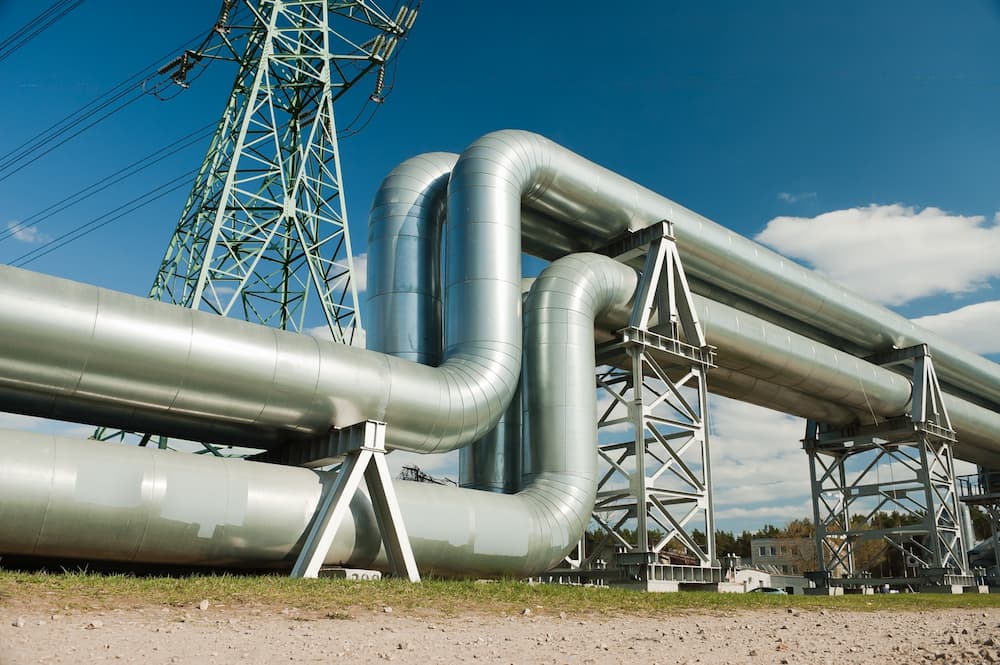
Image credit: fotokaleinar